

As a brand owner, you aim to create a unique product line that stands out. But when it comes to manufacturing, a critical question arises: should you choose sanitary ware OEM or an ODM service? What is the difference between OEM and ODM, and how does this choice impact your brand’s future? This guide will break down the five key differences to help you choose the right manufacturing path for your business. For expert guidance on your next project, contact our team today.

1. Design Ownership and Intellectual Property (IP)
The most fundamental difference lies in who owns the design. This decision directly affects your brand’s long-term assets and intellectual property.
Starting with Your Design: The OEM Model
OEM (Original Equipment Manufacturer) is straightforward. You provide the manufacturer with your complete product design and specifications. The factory then produces the goods exactly to your requirements. This is the essence of bathroom fittings OEM.
Leveraging the Factory’s Design: The ODM Model
ODM (Original Design Manufacturer) is a more collaborative approach. The manufacturer provides existing product designs which you can choose from and modify. UM faucet ODM service allows you to leverage their R&D and design expertise to create your product line.
Who Ultimately Owns the Intellectual Property?
With OEM, you own the IP because the design is yours. With ODM, the design ownership generally remains with the manufacturer, while you own the branding. It’s crucial to clarify this in your contract.
2. Development Process and Time-to-Market
How quickly can you get your product to market? The choice between OEM and ODM has a significant impact on your product development timeline.
The Streamlined Path: Faster Time-to-Market with OEM
Since you provide the finished design, the OEM process is faster. The manufacturer can move directly to tooling and production. This streamlined path significantly shortens your time-to-market, allowing for a quicker launch.
From Concept to Creation: The Comprehensive ODM Development Cycle
The ODM cycle is longer as it includes design, prototyping, and refinement stages. It’s a comprehensive process that turns an idea into a finished product. This is ideal if you need a partner for custom faucet design.
Prototyping and Testing in Each Model
Both models require prototyping and testing. However, the focus differs. In OEM, it’s about verifying your design can be manufactured correctly. In ODM, it involves iterating on the design itself to meet your vision.
3. Upfront Cost, Investment, and Tooling
Your budget will heavily influence your decision. OEM and ODM have different investment structures, particularly regarding development and tooling costs.
Lower Initial Investment with OEM Manufacturing
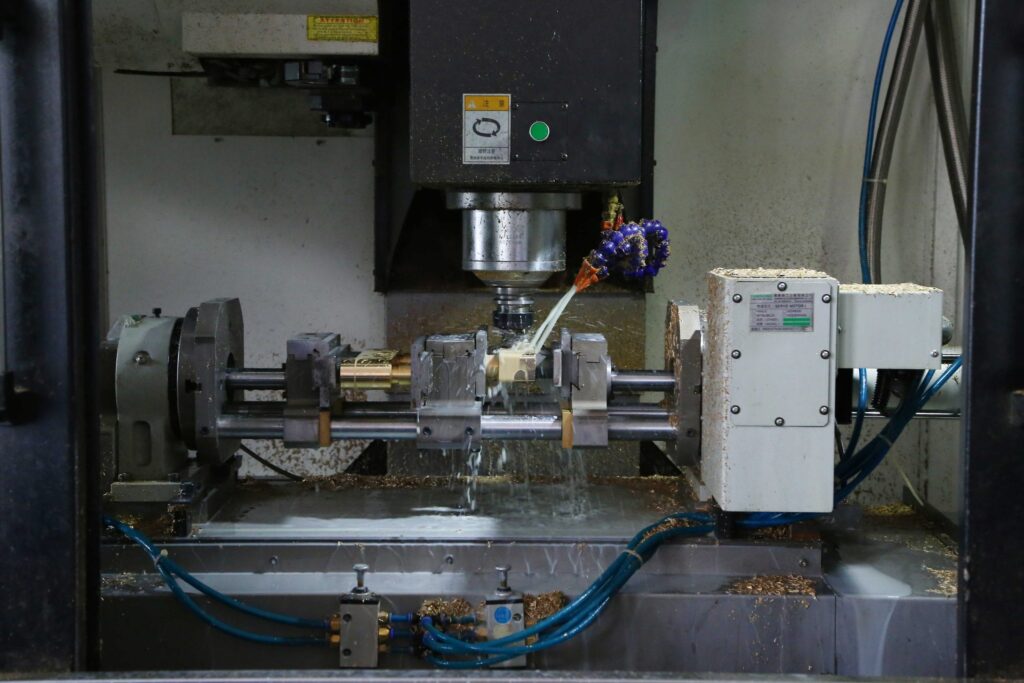
OEM typically involves a lower upfront investment because you are not paying for the core product design process. Your primary costs are related to manufacturing, tooling for any custom parts, and packaging.
Investing in Uniqueness: The Costs of a Faucet ODM Service
UM faucet ODM service requires a higher initial investment. This covers the R&D, design engineering, and extensive prototyping needed to create a unique product. However, this investment builds a truly exclusive asset for your brand.
Understanding Mold and Tooling Fees
Regardless of the model, creating new molds or tools for your specific product will incur costs. These are often one-time fees. A transparent manufacturer will provide a clear breakdown of all tooling charges. For a clear cost structure on your project, request a quote from Blue Sea Industrial.
4. Product Uniqueness and Market Differentiation
How will your products stand out? Your choice of manufacturing model directly impacts your potential for market differentiation.
Customizing Existing Products for Your Brand
OEM allows for significant customization in terms of branding, acabamentos, and packaging. This is often referred to as private label or white-label. It’s an effective way to build a brand without designing a product from scratch.
Creating a Signature Product Line with Custom Faucet Design
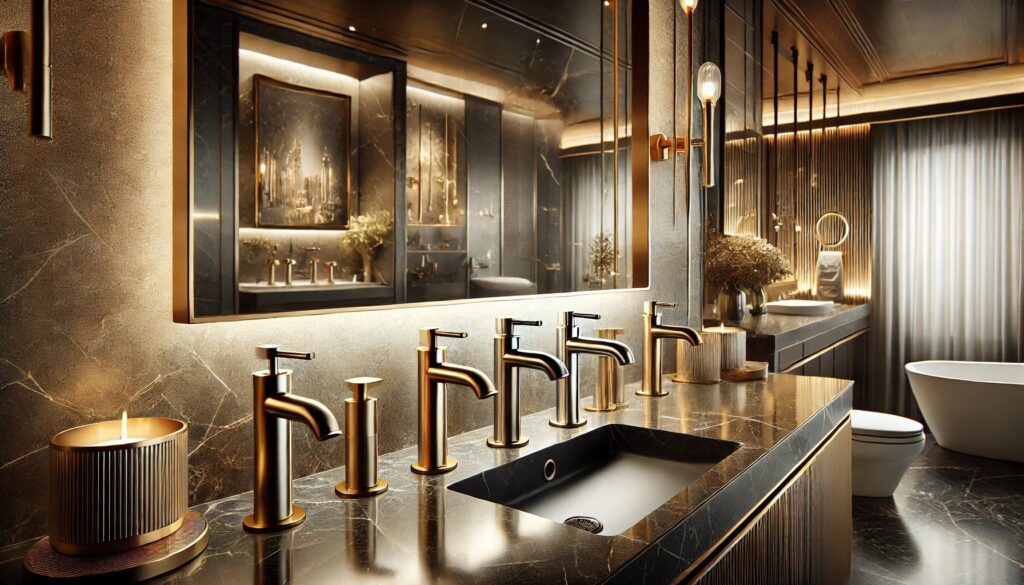
ODM is the path to true product uniqueness. Through a custom faucet design process, you can create a signature product line that no one else has, giving you a powerful competitive advantage.
Standing Out in a Crowded Market
Ultimately, OEM is about branding an existing, proven design. ODM is about creating a new design to disrupt the market. Your brand’s long-term strategy will determine which path offers better value.
5. Your Involvement and the Supplier’s Role
Finally, consider the level of involvement you wish to have and the role you expect your supplier to play. This defines the nature of your supplier partnership.
The Supplier as an Executor in an OEM Project
In an OEM project, the manufacturer acts primarily as an executor. Their role is to follow your specifications precisely and produce high-quality goods efficiently. Clear technical drawings and quality standards are key.
The Supplier as a Collaborative Design Partner in ODM
In an ODM partnership, the supplier is a collaborator. They bring their design expertise, market knowledge, and engineering skills to the table. You work together to bring a shared vision to life.
Defining Your Level of Engagement
Ask yourself how much control and involvement you want in the design process. Your answer will guide you toward the right model and, more importantly, the right manufacturing partner.
Making the Right Choice for Your Sanitary Ware Brand
Choosing between sanitary ware OEM and ODM is a strategic decision. OEM offers a faster, lower-cost entry with proven designs, while ODM provides the path to true product innovation and market exclusivity. The right choice depends entirely on your brand’s goals, resources, and vision for the future.
Perguntas frequentes (Perguntas frequentes)
Can I put my logo on an existing faucet design?
Sim, this is a very common practice known as private label or white-label, which falls under the sanitary ware OEM model. You can select an existing design and have your brand logo, custom packaging, and specific finishes applied.
How much does a custom faucet design (ODM) project typically cost?
The cost varies greatly depending on complexity, materials, and the number of prototypes required. It involves fees for R&D, engineering, and new tooling. For a precise evaluation of your idea, it’s best to consult with our manufacturing experts.
What is the difference between private label and OEM for bathroom fittings?
The terms are often used interchangeably. Generally, private label refers to putting your brand on a standard, off-the-shelf product. OEM (bathroom fittings OEM) can involve more significant modifications to an existing product based on your specifications, such as changing a handle or material.
Which is faster for launching a new product line: sanitary ware OEM or ODM?
OEM is significantly faster. Since the core design and engineering are already complete, the process skips the lengthy development phase and moves directly to production, dramatically shortening the time-to-market.