

Introduction to Automatic Faucets
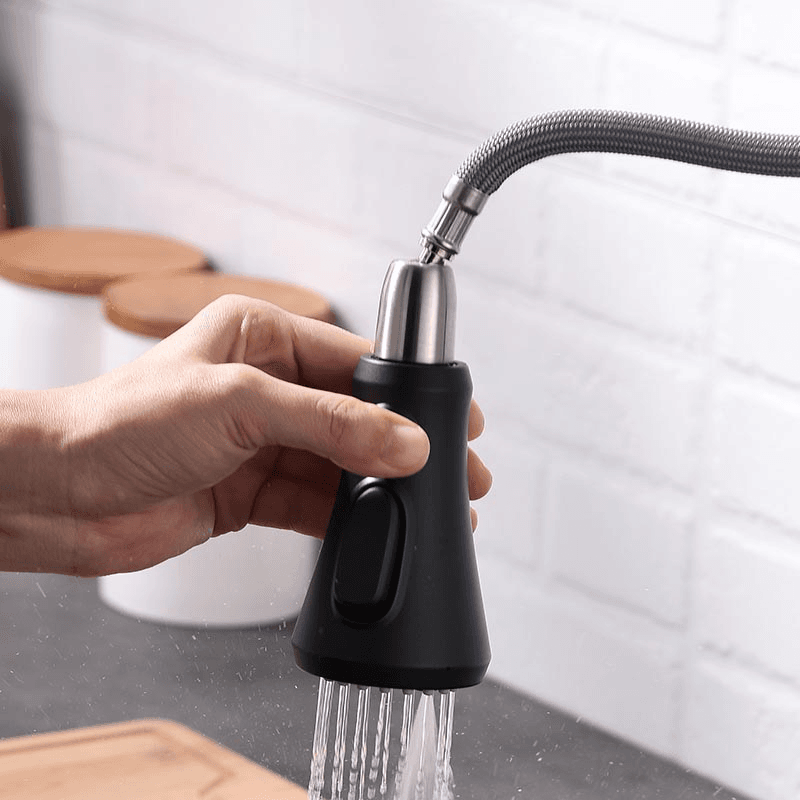
Automatic faucets, also known as touchless faucets, represent a significant advancement in kitchen technology, offering enhanced convenience and efficiency compared to traditional faucets. These innovative fixtures utilize infrared sensors or touchless activation systems to control water flow, allowing users to operate them without physical contact. This feature is particularly beneficial in a kitchen environment, where hands are often occupied with food preparation or cleaning tasks.
The fundamental operation of automatic faucets revolves around sensor technology. Infrared sensors detect the presence of hands or objects underneath the spout, triggering the release of water. This seamless interaction not only promotes hygiene by minimizing the spread of germs and bacteria but also contributes to water conservation. With automatic faucets, water flows only when needed, reducing waste that can occur with manual operation, where the tap may remain on longer than necessary.
Unlike traditional faucets that require manual handling of the handle or knob, automatic faucets offer a more sanitary solution, especially in kitchens where food handling is prevalent. The absence of physical contact reduces the likelihood of cross-contamination, making automatic faucets a popular choice among health-conscious homeowners. Moreover, they can accommodate users of all ages and physical abilities, as the touchless operation eliminates the need for fine motor skills often required to turn a standard faucet on and off.
In summary, automatic faucets revolutionize the way water is accessed in the kitchen, providing a combination of convenience, hygiene, and sustainability. As technology continues to evolve, these fixtures are becoming increasingly accessible and popular for homeowners looking to enhance their kitchen experience.
Benefits of Installing an Automatic Faucet
Automatic faucets have gained considerable popularity in modern kitchens, primarily due to the multitude of benefits they offer. One of the most significant advantages is the enhancement of hygiene. Traditional faucets often require the user to touch handles, which can lead to the transfer of bacteria and germs. In contrast, automatic faucets utilize motion sensors, allowing users to operate them without physical contact. This feature is particularly beneficial in food preparation areas, where maintaining cleanliness is essential.
Convenience is another standout benefit of automatic faucets. They provide a hands-free operation that proves invaluable in busy kitchen settings. For instance, while cooking, one may have messy hands and still need to access water. With an automatic faucet, users can easily activate the water flow by simply placing a hand near the sensor, streamlining the cooking process and reducing the hassle of constantly washing hands before and after using the faucet.
Moreover, water efficiency is a crucial consideration for many homeowners. Automatic faucets are designed to dispense water only when needed, which can lead to significant savings on water bills. According to recent studies, homes that have transitioned to automatic faucets have reported a reduction in water waste by up to 30%. This not only contributes positively to the environment but also reflects a commitment to sustainable living.
Finally, integrating an automatic faucet into a kitchen can enhance its overall aesthetic. These faucets come in a variety of styles and finishes, making them adaptable to various kitchen designs—from sleek modern looks to traditional ones. With their clean lines and contemporary technology, automatic faucets serve as both a practical and visually appealing addition to any kitchen.
Types of Automatic Faucets Available
Automatic faucets have gained popularity due to their convenience and hygienic benefits, making them a favorable choice for modern kitchens. There are various types of automatic faucets available in the market, each equipped with distinct features that cater to different user needs.
One of the most common types is the infrared sensor faucet. These faucets utilize infrared technology to detect motion, triggering the flow of water when hands are placed within a designated range. This hands-free operation not only reduces water waste but also minimizes the spread of germs, as users do not need to physically touch the faucet. Infrared sensor faucets are often preferred for their reliability and ease of use.
Another popular option is the touch faucet, which activates upon physical contact. These models are equipped with a touch sensor that allows users to turn the water on or off with a simple tap. Touch faucets are particularly beneficial when hands are dirty or when multitasking in the kitchen. They provide flexibility and promote sanitation, as users can avoid the need to grasp handles or knobs.
The choice between battery-operated and hardwired models is also significant when selecting an automatic faucet. Battery-operated faucets offer the advantage of easy installation since they do not require any electrical work. They are suitable for various settings, especially where electrical outlets are not readily available. However, the need for periodic battery replacement must be considered. In contrast, hardwired faucets are connected directly to the power supply, ensuring a steady flow of energy without the hassle of changing batteries. They are ideal for users seeking longevity and consistent performance.
In conclusion, understanding the various types of automatic faucets available can significantly aid in making an informed purchase. Each type, from infrared sensor to touch and battery-operated to hardwired models, comes with its own set of advantages that cater to diverse kitchen needs.
Key Features to Look For
When purchasing an automatic faucet for your kitchen, several key features should be considered to ensure a seamless experience and maximum utility. One of the most crucial elements is the sensor sensitivity. A high-quality automatic faucet should possess a responsive and accurate sensor that detects hand motion efficiently. This ensures quick activation, minimizing water wastage and enhancing user convenience. Look for faucets with adjustable sensitivity settings, allowing customization according to your preferences.
Design is another significant consideration; the faucet should complement your kitchen’s aesthetic while being functional. Many automatic faucets are available in various finishes and styles, such as modern, minimalist, or more traditional looks. It is essential to select a design that harmonizes with your overall kitchen decor, ensuring that the faucet not only serves its purpose but also adds to the visual appeal of the space.
Ease of installation is an often overlooked yet vital feature. Many automatic faucets come with user-friendly installation kits and detailed instructions, enabling homeowners to set them up without requiring professional help. Additionally, checking whether the faucet is compatible with your existing plumbing system can save time and prevent costly modifications.
Water temperature control should also be a priority. Some advanced automatic faucets allow for precise regulation of hot and cold water, enhancing usability, especially when preparing food or washing delicate items. Features such as programmable options can offer even more customization, allowing users to set preferred water temperatures for different tasks.
Finally, durability is paramount. Look for materials that resist tarnishing and corrosion, as well as robust construction that can withstand daily use. Investing in high-quality automatic faucets not only ensures long-term performance but also enhances your kitchen’s functionality.
Installation Process for Automatic Faucets
Installing an automatic faucet in your kitchen can significantly enhance convenience and hygiene. This guide will walk you through the essential steps for both DIY installations and when it is prudent to enlist a professional plumber. Understanding the installation process is vital to ensuring the proper functioning of your new faucet.
Before you begin, gather the necessary tools, including a wrench, screwdriver, pliers, and Teflon tape. It is also advisable to have a towel on hand to manage any potential spills. Safety is paramount; make sure to turn off the water supply before starting the installation to prevent leaks and flooding.
The first step in the installation process is to remove your existing faucet. Begin by disconnecting the water supply lines; this often involves loosening slip nuts using a wrench. Once the old faucet is detached, clean the sink surface to prepare it for the new unit. Carefully follow the manufacturer’s guidelines specific to the automatic faucet model you have chosen, as instructions may vary.
Next, position the new faucet in the designated hole on your sink or countertop. Secure it with the provided mounting hardware and ensure it is tightened adequately to prevent wobbling. Following this, connect the water supply lines to the faucet, using Teflon tape on the threads to ensure a tight seal and to minimize the risk of leaks.
If your faucet includes electronic components, such as a battery or AC adapter, follow the manufacturer’s instructions to connect these elements properly. Once everything is fitted and connected, restore the water supply and check for any leaks by running the water and observing for drips. Should you encounter any difficulties at any stage of the installation, do not hesitate to contact a professional plumber to ensure a flawless setup.
Maintenance and Care for Automatic Faucets
Automatic faucets are increasingly popular in modern kitchens due to their convenience and hygiene benefits. However, to ensure longevity and optimal performance, proper maintenance and care are essential. Regular upkeep not only enhances the functionality of these fixtures but also extends their lifespan.
One of the primary maintenance tasks involves regular cleaning. Automatic faucets can accumulate mineral deposits, soap scum, and other residues that can affect performance. It is advisable to clean the faucet with a mild detergent and warm water solution at least once a week. Avoid abrasive materials that could scratch the surface; instead, opt for soft cloths or sponges. Pay special attention to the sensor area to remove any debris that might interfere with the sensor’s ability to detect hand movement.
If your automatic faucet is battery-operated, battery maintenance is another crucial aspect of its care. Regularly check the batteries, replacing them as necessary to avoid disruptions in water flow or sensor responsiveness. Most automatic faucets feature indicators to alert users when battery replacement is needed. Following the manufacturer’s guidelines regarding battery type and installation is paramount to ensure a consistent flow of water.
Occasionally, users may encounter common issues such as sensor malfunctions or water flow irregularities. For sensor problems, it is advisable to first clean the sensor and check for any obstructions. If issues persist, consult the user manual for troubleshooting steps or resets. In cases of water flow inconsistencies, inspect the aerator for clogs from debris or sediment, which can be easily cleaned or replaced as needed.
By implementing these maintenance practices, you can enhance the performance and reliability of your automatic faucet while ensuring its continued functionality in your kitchen environment.
Cost Considerations: Are They Worth It?
When contemplating the installation of an automatic faucet in the kitchen, the initial investment must be weighed alongside the potential long-term savings and benefits. Automatic faucets typically require a higher upfront cost than traditional models. Prices can range significantly depending on the brand and features, with some high-end models costing upwards of $500, while basic options may be available for around $100. The choice ultimately depends on the consumer’s budget and preferences regarding functionality.
However, it’s essential to examine the long-term savings associated with these faucets. Automatic faucets are designed to conserve water by dispensing it only when hands are detected. This technology can lead to significant reductions in water usage, translating into lower water bills. Over time, the savings on utility costs can offset the initial purchase price, making the automatic faucet a more economical choice in the long run.
Beyond cost savings, automatic faucets offer significant advantages in terms of hygiene and convenience. They minimize contact with the faucet surface, which is particularly beneficial in a kitchen environment prone to contaminants. By limiting the spread of germs, these faucets can contribute to a healthier home. Furthermore, the convenience of hands-free operation enhances usability, especially when handling raw food or messy tasks. This added efficiency may not have a direct monetary value but can enhance the overall kitchen experience.
Ultimately, while the upfront costs of automatic faucets may seem daunting, evaluating their advantages—including water conservation, reduced utility expenses, improved hygiene, and convenience—may reveal their worth as a worthy investment for many homeowners. Assessing these factors will help individuals make informed decisions regarding integrating automatic faucets into their kitchens.
Top Brands and Recommendations
When considering automatic faucets for your kitchen, it is crucial to identify brands known for their reliability, performance, and positive user feedback. Among the leading manufacturers in this sector are Moen, Delta, Kohler, and Pfister. Each of these brands offers a diverse range of automatic faucet solutions catering to various budgets and preferences.
Moen has established a reputation for innovation and durability. Their motion-sensing faucets, such as the Moen Arbor, are highly praised for their responsiveness and longevity. Users appreciate the ease of installation and the brand’s commitment to customer service, often citing a reassuring warranty that enhances the overall buying experience.
Delta is another notable player, recognized for its emphasis on water efficiency and technological advancements. The Delta Touch2O series allows users to turn the water on and off with just a tap, leading to considerable water savings and convenience while cooking. Customer reviews often highlight the intuitive design and effectiveness of the faucet’s sensors, making it a popular choice among homeowners.
Kohler offers a compelling range of automatic faucets that combine style and functionality. Their Sensate model incorporates a high-arc design, providing ample space for larger pots and pans, and has garnered excellent reviews for its reliability. The comprehensive warranty and customer support services add a layer of assurance that many buyers appreciate.
For a more budget-friendly option, Pfister stands out with its affordable yet reliable automatic faucets. The Pfister Selia series delivers consistent performance without breaking the bank while garnering favorable reviews for ease of use and installation. Customers often mention the value for money, making this a smart choice for budget-conscious shoppers.
Ultimately, the selection of an automatic faucet should align with individual preferences, budget constraints, and environmental considerations. By exploring these recommended brands, homeowners can find a solution that enhances their kitchen while ensuring efficiency and convenience.
Conclusion: Is an Automatic Faucet Right For Your Kitchen?
Automatic faucets have gained significant popularity in modern kitchen designs due to their innovative features and convenience. The key advantages of incorporating an automatic faucet include improved hygiene, ease of use, and water efficiency. With the hands-free operation, users can prevent the spread of germs, as they do not need to touch the faucet handles. Moreover, these faucets often come equipped with sensors that detect motion, allowing for easy manipulation while multitasking in the kitchen.
However, it is crucial to consider some drawbacks associated with automatic faucets before making a final decision. The initial expense may be higher compared to traditional faucets, and installation may require professional assistance, potentially increasing overall costs. Additionally, some models may experience failures in sensor operation, leading to frustration during everyday use. Therefore, assessing the reliability and warranty of your chosen model is essential to avoid future inconveniences.
Furthermore, it is vital to evaluate your specific kitchen needs and how an automatic faucet would fit within that context. For those who frequently prepare meals or entertain guests, the convenience of an automatic faucet can enhance functionality and streamline kitchen tasks. In contrast, homeowners who prefer traditional faucet operation or have budget constraints may find that conventional options serve their purposes adequately.
Ultimately, the decision to install an automatic faucet will depend on various factors, including personal preferences, budget allocations, and lifestyle choices. It is essential to weigh the pros and cons carefully, researching different models and brands to find one that best aligns with your needs. Engaging in discussions with kitchen professionals or visiting showrooms can also provide valuable insights. Consider all elements before making a purchase, as doing so will ensure your kitchen is equipped with fixtures that enhance its overall functionality.